As a mum who passionately embraces the Montessori way of unschooling, I believe in providing my little one with a natural and enriching environment that fosters curiosity, exploration, and a love for learning.
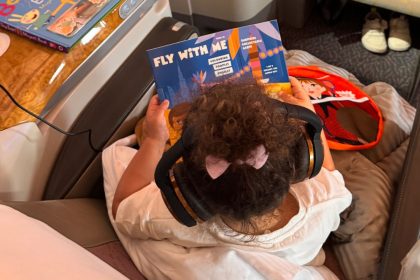
From the very beginning, book reading has been an integral part of our daily routine, creating beautiful moments of bonding and discovery with my one-year-old.
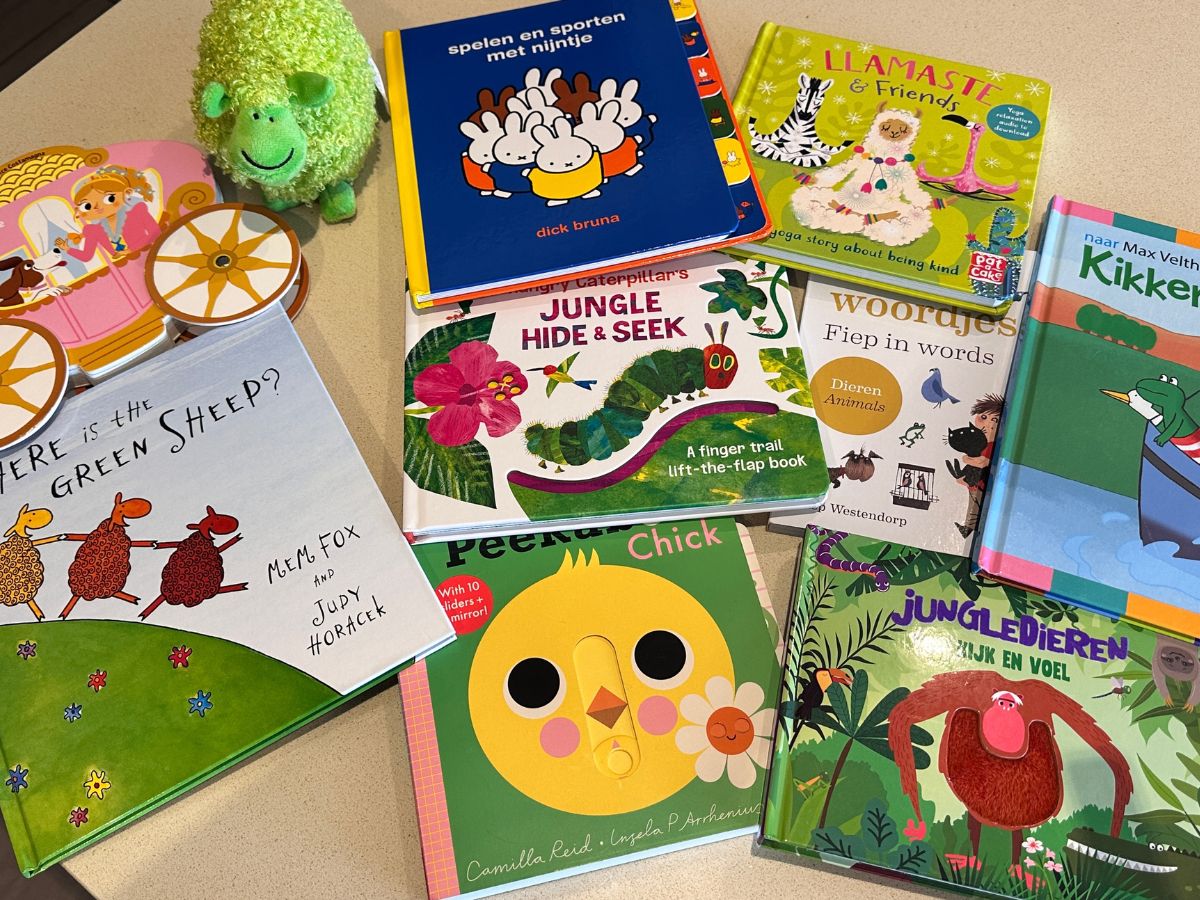
Each of these books has one or more elements which in my opinion aligns with the Montessori method. Although these books may not be displaying real accurate images (they are illustrations instead), each of these book display Simple and Clear Language, allow for Hands-on and Interactive Elements and most of them have Real-Life Connections. In this blog post I’ll first talk about what makes a book align with Montessori principles, after which I list the books that we have enjoyed this week and why.
What makes a book align with Montessori Principles?
A book aligned with Montessori principles has several characteristics that support the child’s development and learning in a way that resonates with the Montessori philosophy. Here are some key features that make a book suitable for a Montessori-inspired approach:
Realistic and Representative Illustrations: Montessori emphasises the importance of presenting children with real and accurate images. Books with lifelike and representative illustrations allow children to make meaningful connections with the world around them.
Child-Centered Themes: Montessori books often focus on subjects that are relevant and interesting to the child. They might explore nature, daily life experiences, cultural diversity, or scientific concepts, catering to the child’s innate curiosity and interests.
Simple and Clear Language: Montessori books use clear and straightforward language, respecting the child’s natural ability to absorb information and language skills at their own pace.
Hands-on and Interactive Elements: Books that incorporate tactile features, such as textures to feel or flaps to lift, encourage active engagement and exploration. These interactive elements enhance the child’s sensorial experiences and fine motor skills.
Respect for the Child’s Independence: Montessori-inspired books empower the child to explore and engage with the material independently. They are designed to be child-friendly and allow the child to take an active role in the learning process.
Cultural and Global Awareness: Montessori books often introduce children to various cultures, languages, and diverse lifestyles. This fosters an understanding and appreciation of the world’s cultural richness.
Sequencing and Order: Montessori books may follow a logical sequence or progression of ideas, allowing children to build connections and deepen their understanding as they progress through the book.
Real-Life Connections: Books that highlight real-life experiences and scenarios help children relate the content to their own lives, making the learning more meaningful and relevant.
Respect for the Child’s Interests and Pace: Montessori encourages following the child’s interests and allowing them to explore topics at their own pace. Books that accommodate individual learning styles and preferences support this principle.
Encouragement of Imagination: While Montessori emphasises realistic representations, books that still encourage imagination and creativity in storytelling can be an enriching addition to the child’s reading experience.
By selecting books that embody these characteristics, parents and educators can create a literature-rich environment that aligns with Montessori principles and nurtures the child’s love for learning, curiosity, and independence.
Personally we choose books that our little one is attracted too, or books that we have been gifted (mostly all of our books) as well as books that we as adults find relevant either because they hold a special place in our own upbringing or because the story is educational and enjoyable. So now onto the list of books we have enjoyed recently.
List of Books for Unschooling 1 Year Old
Book title: “Where is the Green Sheep?“
Why we like this book: We absolutely adore “Where is the Green Sheep?” for its delightful simplicity in colours and text. This children’s picture book, written by Mem Fox and illustrated by Judy Horacek, has become a cherished part of our reading routine. This beautiful book was gifted by one of Aria’s very first friends who met when our little one was just 2 weeks old.
As we flip through the pages together, my little one’s eyes light up with curiosity, searching for the elusive green sheep. The interactive elements and the cuddly green sheep toy that accompanies the book make our reading time a joyous and engaging experience.
We love following the journey of the various coloured sheep, eagerly anticipating the reveal of the elusive green sheep on the final pages. It’s a heartwarming and enchanting story that never fails to captivate our little one’s imagination. We are confident that this book will be enjoyed for many years to come.
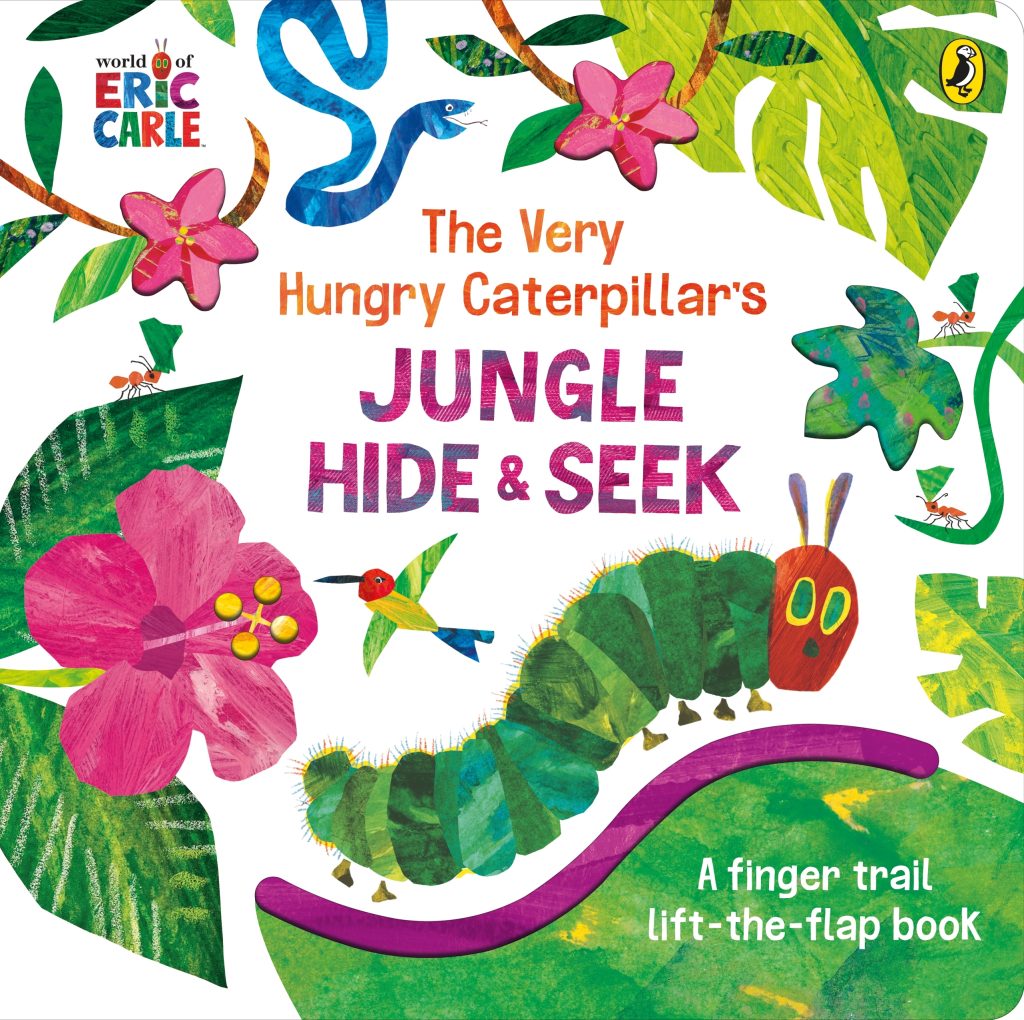
Book title: “The Very Hungry Caterpillar Jungle Hide and Seek“
Why we like this book: Nature books hold a special place in our hearts, and “The Very Hungry Caterpillar Jungle Hide and Seek” is no exception. The vibrant illustrations and the “hide and seek” feature excite my little explorer. Reading the book in both English and Dutch helps her develop language skills while appreciating the beauty of the jungle.
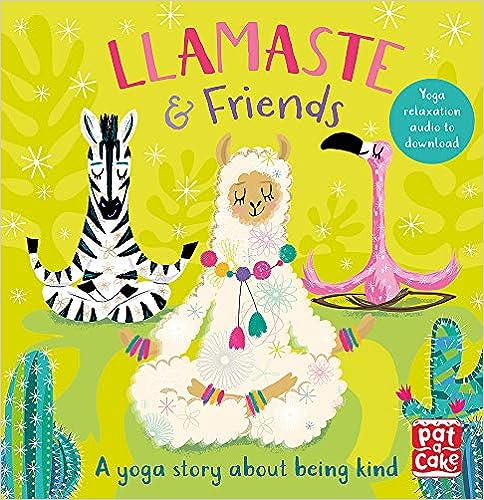
Book title: “Llamaste and Friends: A Yoga Story About Being Kind“
Why we like this book: This colorful and thoughtfully designed book is a perfect fit for our Montessori-inspired unschooling approach. As a mum, I love that “Llamaste and Friends” introduces mindfulness and kindness through yoga poses. We enjoy interactive reading, asking questions that ignite her curiosity.
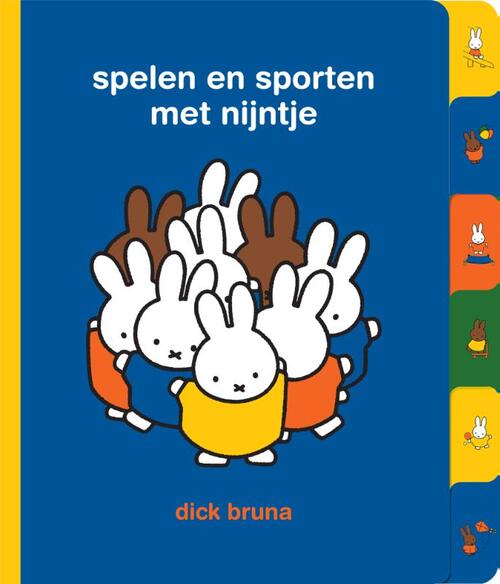
Book title: “Spelen en sporten met Nijntje” (Dutch)
Why we like this book: The Miffy series is a family favourite, and “Playing Outdoors with Murphy” is an enjoyable addition to our collection. The flaps and sturdy pages are perfect for my one-year-old’s little hands as she explores the colourful world of Miffy, promoting her independence.
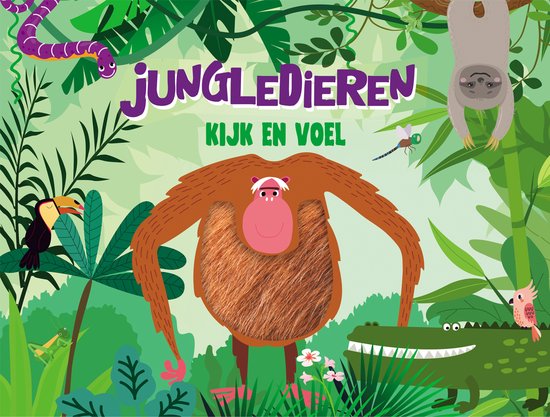
Book title: “Jungle Dieren: Kijk en Voel” (Dutch)
Why we like this book: This Dutch interactive book takes us on a sensory journey through the jungle. My little one’s face lights up as she feels the different textures of jungle animals and turns the vibrant pages with ease. The book creates delightful moments of discovery and exploration.
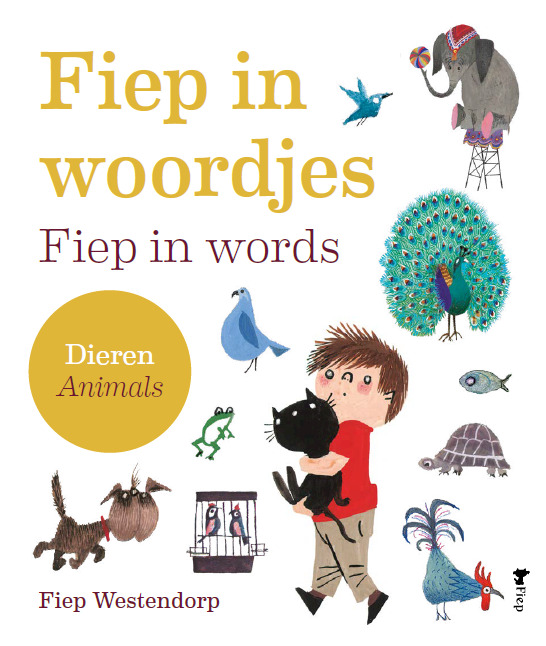
Book title: “Fiep in Woordjes – Dieren” (Dutch)
Why we like this book: “Fiep in Woordjes” is a delightful Dutch book about animals that includes English translations on each page. My little one enjoys the familiarity of the consistent drawings by the same author, while I appreciate her language skills developing as she associates animals with words in two languages.
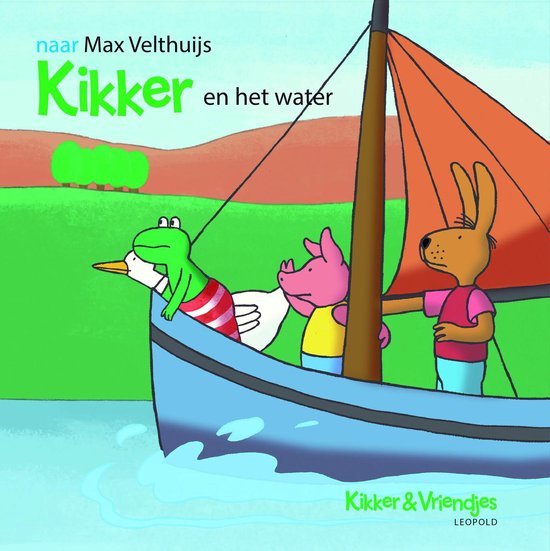
Book title: “Kikker en het Water” (Dutch)
Why we like this book: “Kikker en het Water” is a touching Dutch reading-aloud book by Max Velthuijs. We adore this heartwarming tale of Kikker and his friends on a quest to find water during a dry spell in the forest. As I carefully turn the thin pages, my little one snuggles close, captivated by the vivid illustrations and the characters’ camaraderie.
It is a cherished bonding moment we both treasure, with valuable lessons of friendship and resilience that linger long after we finish reading. We look forward to many more magical adventures with Kikker and his friends in the future
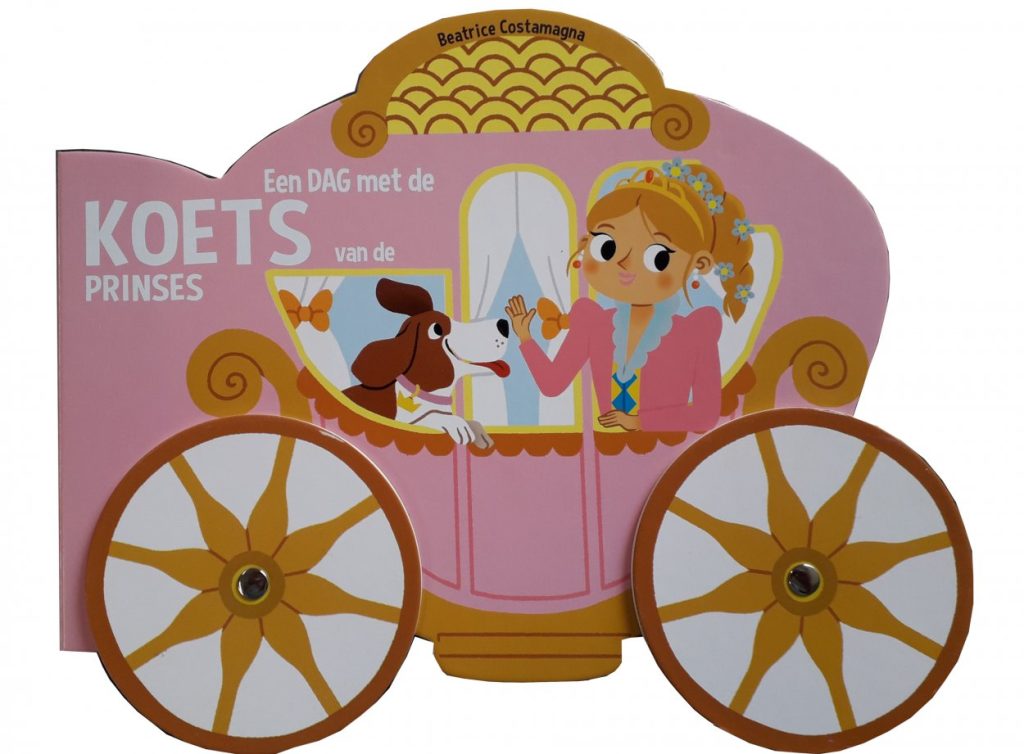
Book title: “Een Dag Met De Koets van de Princess” (Dutch)
Why we like this book: “De Koets van de Princess” holds a special place in our hearts as it was a beautiful gift from my girlfriends. The book’s unique design in the shape of a carriage with turning wheels immediately captures my little one’s attention, making it a delightful addition to our Montessori-inspired collection. The vibrant and colourful illustrations immerse my child in the enchanting world of the princess, while the sequential story aligns perfectly with the Montessori method, fostering her understanding of order and structure.
One of the aspects I appreciate the most about this book is the use of language that differs from my everyday vocabulary. As we read the story together, my little one and I are exposed to new words and expressions, expanding both of our vocabularies in an engaging and enjoyable way.
“De Koets van de Princess” embodies many of the elements that we seek in a Montessori-aligned book. Its interactive design encourages hands-on exploration, while the language and storytelling aspects promote language development and comprehension. The book’s overall beauty and thoughtful design make it a treasured keepsake in our Montessori-inspired home. As we continue our unschooling journey, we look forward to discovering more wonderful books that enrich our daughter’s learning experiences and ignite her curiosity about the world around her.
How We Embrace Bilingualism Using OPOL Method
In our household, we wholeheartedly embrace the One Parent One Language (OPOL) method, which is a language strategy that promotes bilingualism in children. Following this approach, I exclusively speak Dutch to our little one, while my husband speaks English. This method allows our daughter to develop proficiency in both languages naturally, as she learns to differentiate the languages based on the speaker.
Even when we come across books in different languages, I creatively craft the stories in Dutch, maintaining the linguistic consistency during our reading time. On the other hand, my husband artfully translates Dutch books into English and adds his unique touch, spinning imaginative tales that capture our little one’s curiosity and joy.
The OPOL method has enriched our family dynamic, fostering a strong linguistic foundation and fostering a deep appreciation for both cultures within our home.
Conclusion
As a mum following the Montessori way of unschooling, I cherish the special moments spent reading these delightful books with my one-year-old.
Each story sparks her curiosity and encourages interactive learning, aligning perfectly with our natural literacy approach.
I am excited to continue exploring more captivating books that will nurture her love for reading and foster a lifelong passion for learning on our unschooling journey together.