

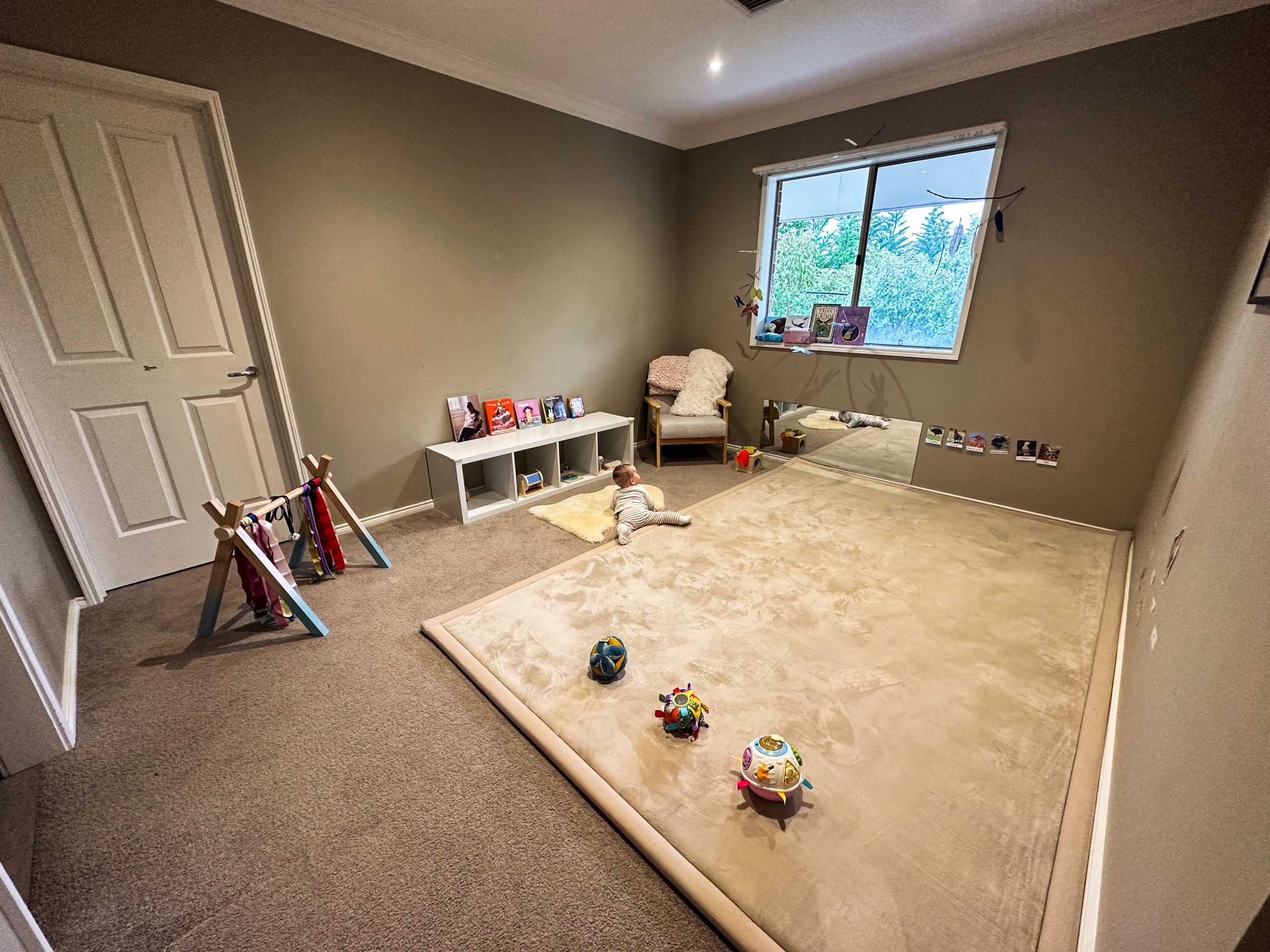
Welcome back to my blog, dear readers! Today, I’m excited to share some valuable insights into creating a calm Montessori environment at home.
As a mother, health coach, and meditation teacher with a passion for mindful living, I have found that incorporating Montessori principles into our unschooling journey has had a profound impact on our family’s well-being and harmony.
Whether you’re a seasoned Montessori practitioner or a curious parent interested in creating a calm Montessori environment at home, this post is for you!
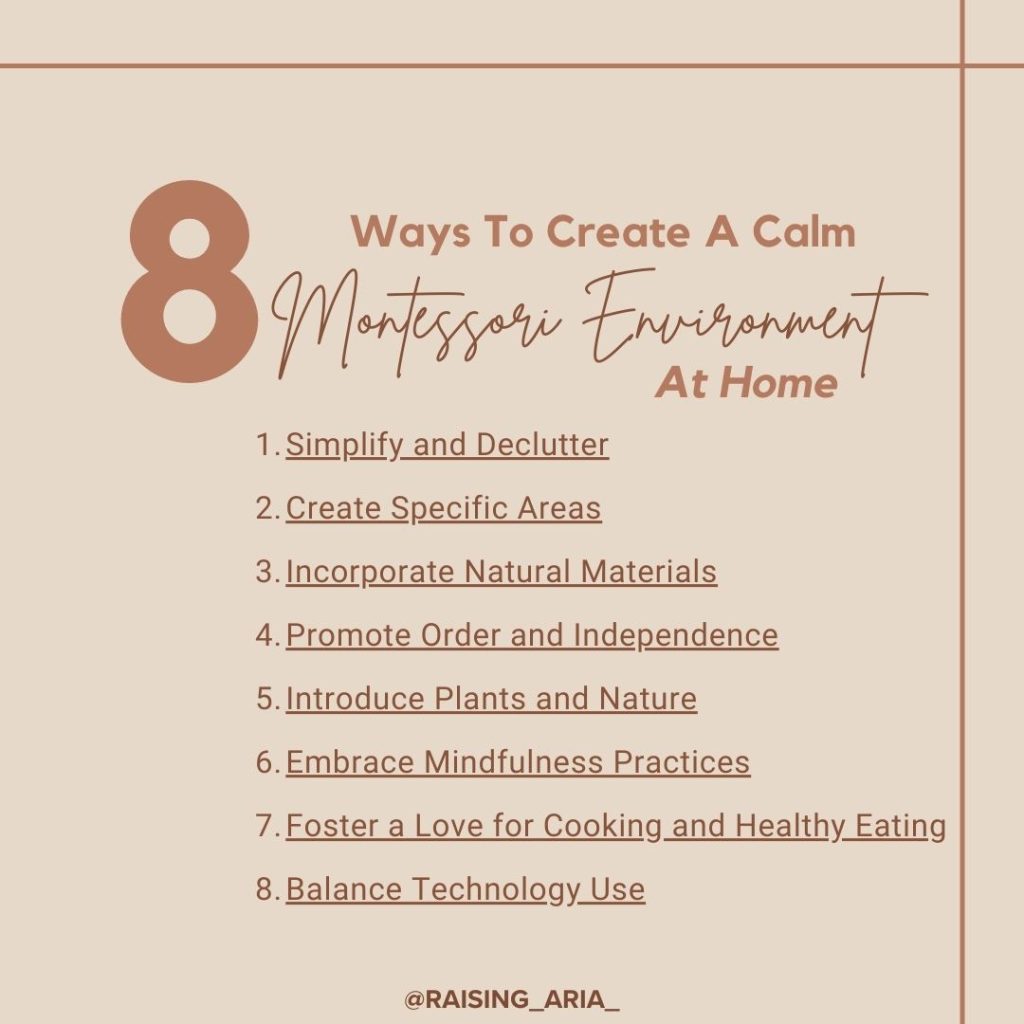
Simplify and Declutter

A key aspect of Montessori philosophy is the notion that less is more.
Start by decluttering your home, creating a space that is organised, uncluttered, and aesthetically pleasing.
A clean and simplified environment can help foster a sense of calm and focus for both you and your child.
Create Specific Areas
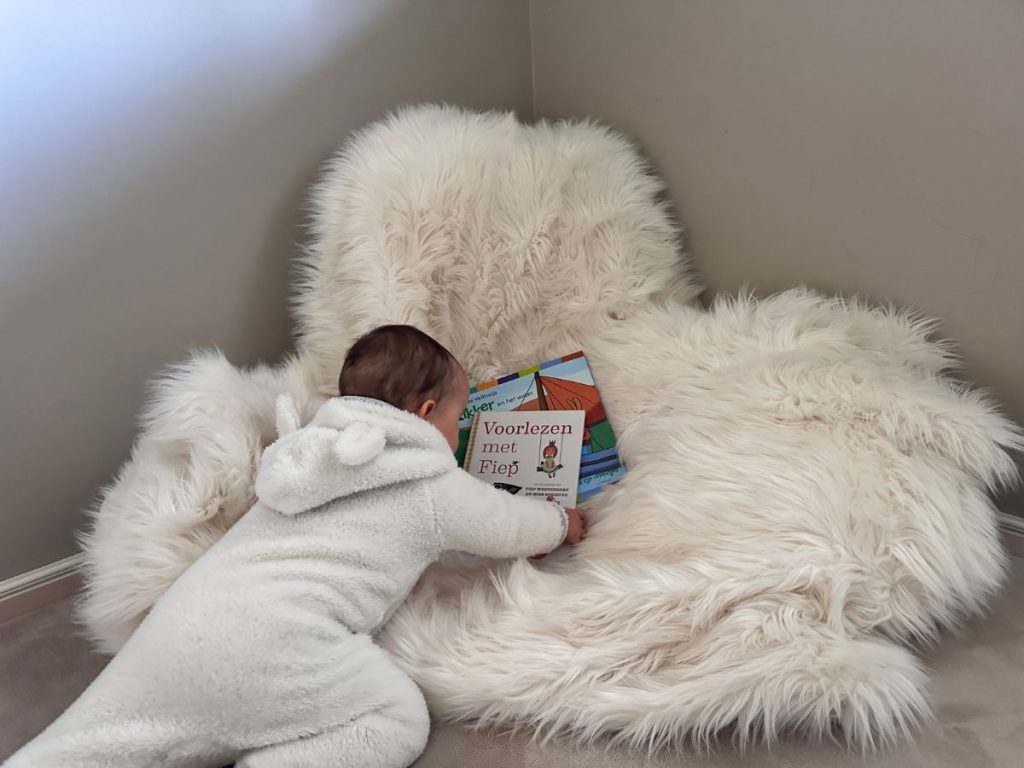
Designate specific areas in your home for different activities.
For example, have a dedicated space for learning, a cozy reading corner, a play area, and a practical life area where your child can engage in everyday tasks independently.
By organising your home in this way, you’ll encourage natural exploration and a sense of autonomy in your child.
Incorporate Natural Materials
Incorporate natural and open-ended materials into your child’s environment.
Wooden toys, cloth materials, and items from nature provide sensory experiences and invite curiosity.
Avoid overwhelming your child with an abundance of toys; instead, rotate them regularly to maintain interest and prevent clutter.
Promote Order and Independence
Montessori emphasises the importance of fostering independence in children.
Consider placing low shelves and child-sized furniture, allowing your little one to access their belongings independently.
Encourage them to tidy up after themselves with easily accessible storage solutions for toys and materials.
Introduce Plants and Nature
Bringing a touch of nature indoors can have a calming effect on the environment.
Consider adding child-friendly houseplants or creating a nature table where your child can explore natural objects like shells, pinecones, and rocks.
Embrace Mindfulness Practices
Discover the beauty of mindfulness in your daily life! 🌼💫 Mindfulness offers simple yet powerful techniques that can bring a sense of calm and focus to your home.
You don’t have to be a meditation teacher to try these out! 😊✨
Take a moment with your child each day to practice mindfulness together.
Try a few deep breaths or a short guided meditation to ground yourselves and find peace amidst the busyness of life. 🧘♀️🌿
It’s a wonderful way to connect with your little one and cultivate a sense of presence and well-being. 💕🌟
Foster a Love for Cooking and Healthy Eating

Engage your child in the joy of meal preparation, regardless of your own interest in healthy eating or cooking! 🍳🥦 Embracing Montessori’s practical life skills, cooking can be a wonderful learning experience for your little one. 🍽️👶
Not only does it present an opportunity to develop fine motor skills and independence in a safe environment, but it also allows them to explore different ingredients and textures. 🌽🍓 You might like to try 3 ingredient toddler approved cookies.
Balance Technology Use

In our digital age, it is essential to strike a balance between technology and real-life experiences.
Limit screen time and offer alternative activities that promote creativity, exploration, and physical movement such as:
- Arts and Crafts: Set up a designated art space with various art supplies like coloured pencils, markers, crayons, paints, and paper. Encourage your child to express their creativity through drawing, painting, or crafting.
- Nature Walks: Explore the outdoors together by going on nature walks. Take the time to observe plants, animals, and different natural elements, fostering a sense of wonder and appreciation for nature.
- Building and Construction: Provide building blocks, Legos, or other construction toys that allow your child to build and create their own structures and designs.
- Pretend Play: Encourage imaginative play with dress-up clothes, dolls, action figures, or play kitchen sets. Role-playing can spark creativity and enhance social skills.
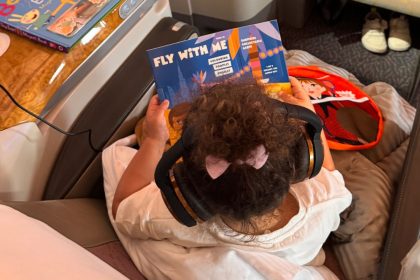
- Storytelling and Books: Read books together or encourage your child to create their own stories. Storytelling nurtures imagination and language development.
- Outdoor Games: Play games like tag, hide-and-seek, or kickball in the backyard or at a nearby park. Physical activities in open spaces promote exercise and social interaction.
- Music and Dance: Play music and dance together. Dancing is not only fun but also a great way to express emotions and improve coordination.
- Science Experiments: Engage in simple science experiments that involve everyday materials. This can be a fascinating way to learn and explore the world around us.
- Gardening: Plant a small garden or some potted plants. Involving your child in gardening teaches responsibility and provides a hands-on learning experience.
- Baking and Cooking: Invite your child to help with simple cooking or baking tasks in the kitchen. It’s not only fun but also an opportunity to learn about food and measurement.
- Puzzles and Brain Games: Offer age-appropriate puzzles and brain teasers to challenge your child’s problem-solving skills and critical thinking.
- Yoga and Stretching: Practice kid-friendly yoga or stretching exercises together. It promotes physical activity and relaxation.
Tips for Keeping The Environment a Calm Space

Simplicity and Minimalism
A clutter-free environment promotes focus and inner peace.
Embrace simplicity by choosing a few high-quality, open-ended toys and materials.
Montessori classrooms often use natural and neutral colours, creating a serene atmosphere that allows children to concentrate on their activities without distractions.
Natural Materials
Introduce materials made from natural elements like wood, glass, metal, and fabric.
These materials provide sensory experiences, connecting children with the natural world.
Avoid plastic toys that are overly stimulating and lack the warmth and texture of natural materials.
Peaceful Colours and Soft Lighting
Consider using soft, calming colours on the walls and furnishings. Light pastels or earthy tones can create a soothing ambiance.
Additionally, provide soft and gentle lighting through lamps or dimmers, which can help promote a relaxed atmosphere.
Limit Overstimulation
Keep the environment free from excessive noise, visual clutter, and electronic gadgets. Limit screen time and choose activities that encourage focused attention and creativity.
Mindful Transitions
Prepare your child for transitions between activities with a simple routine or a transition song. Smooth transitions help create a sense of order and security.
Wrapping it up
Creating a calm Montessori environment at home is a beautiful journey that aligns perfectly with my interests in health, mindfulness, and parenting.
By simplifying, incorporating natural materials, promoting independence, and nurturing a love for learning, you too can provide a nurturing and supportive space for your child’s growth.
Remember that each child is unique, so observe and adapt the environment to suit their individual needs.
Happy Montessori unschooling!



Comments are closed.