

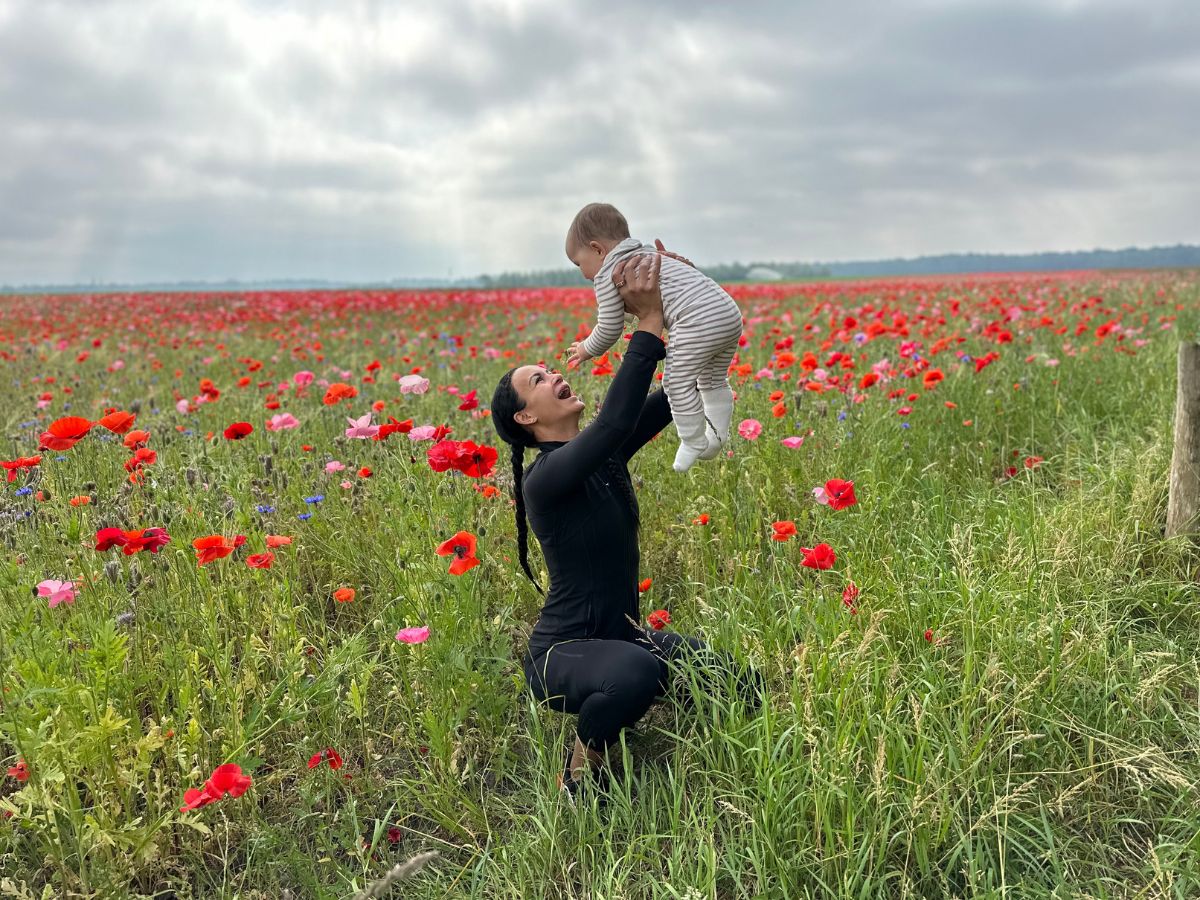
As my daughter’s first birthday draws near, I find myself pondering the essence of this special day. In a world where material possessions and over the top first birthday parties often take the spotlight, I’ve decided to approach this celebration differently.
To celebrate this very first year of my daughter’s life on earth, and my journey of motherhood, I am thrilled to offer my daughter the intangible but invaluable gifts of time and presence.
We decided not to have a first birthday party. This does not mean we will not be letting this day pass unnoticed. Instead we are celebrating this special moment together as a family, focusing on quality time and being present together and upholding our family rituals of the celebration of a birthday (which YES includes balloons, a gift, and her favourite foods).
In this post I’ll share some of my thoughts on how and why gifts of time and presence take centre stage.
The Gift of Time
The gift of time is such a weird thing to say… yet many of us, when we lose a loved one, think of thing such as “I wish I had spent more time” or “I wish I had spent less time at the office and more time with my family”. Being aware of the daily emails, tasks, errands, people, jobs and dramas that vie for our attention daily, we have made it part of our family rituals to spend quality time together and to be fully present when we spend time.
Cherishing Milestones
Each passing day brings new milestones and achievements for our little one. From her first steps to her first words, witnessing these precious moments unfold before my eyes has been a gift beyond measure (as any parent can relate).
Time has allowed me to witness her growth, to be there to celebrate her achievements, and to offer guidance and support as she embarks on her journey of exploration.
We try to capture these special moments on photo, video and also write about it in a journal (I prefer using Day One app on my phone, and a hard copy journal and pen).

Building Bonds
Time has given us the chance to forge deep and meaningful bonds. As new parents, and as a new family of 3, the hours spent playing, laughing, and cuddling have created a strong foundation of love and trust between us. Not to mention the hours spent being sleep deprived and arguing over pointless household chores have certainly made us a stronger couple.
Through the gift of time, I have been able to build a deep connection with my daughter that is rooted in understanding, compassion, and unwavering support and an unfathomable amount of love. This building of bonds has helped to create secure attachment and emotional stability for my little one (more on attachment further down the page).
Nurturing Development

I feel so blessed to be living the life that I have designed, with the luxury of working from home on my dog breeding business, my various blogs and meditations. Whilst managing all this – I am aware that time plays a vital role in nurturing my daughter’s development. By spending time with her, it allows me to introduce her to new experiences, to foster her curiosity, and to provide a nurturing Montessori environment for her to thrive.
With each passing day, I witness the growth of her intellect, her personality, and her ability to navigate the world around her. This gift of time has opened doors to a world of possibilities for her and me.
The Gift of Presence
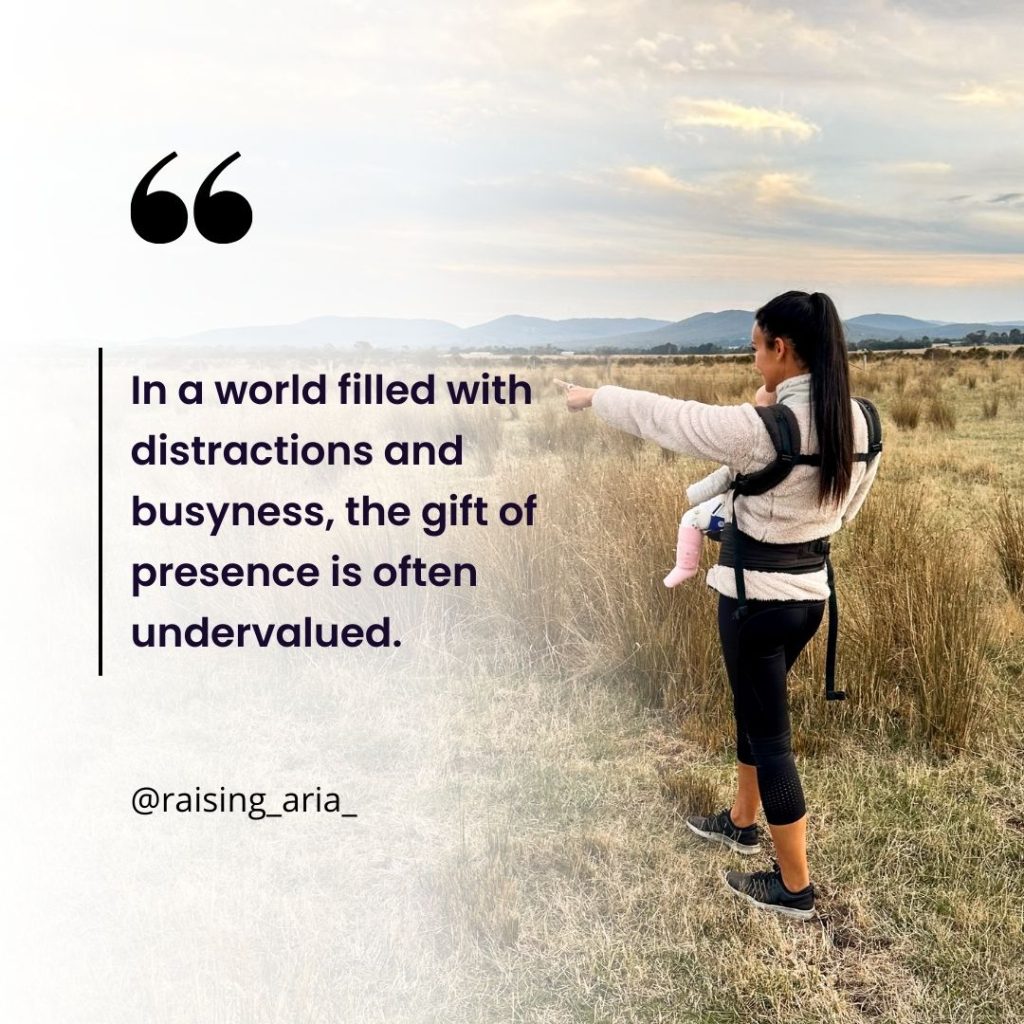
In a world filled with distractions and busyness, the gift of presence is often undervalued. However, being fully present in the moment has the power to create deep connections, foster love, and nurture a sense of security. As I reflect on my daughter’s first year of life, I am reminded of the immeasurable impact of my presence in her world.
Quality Time
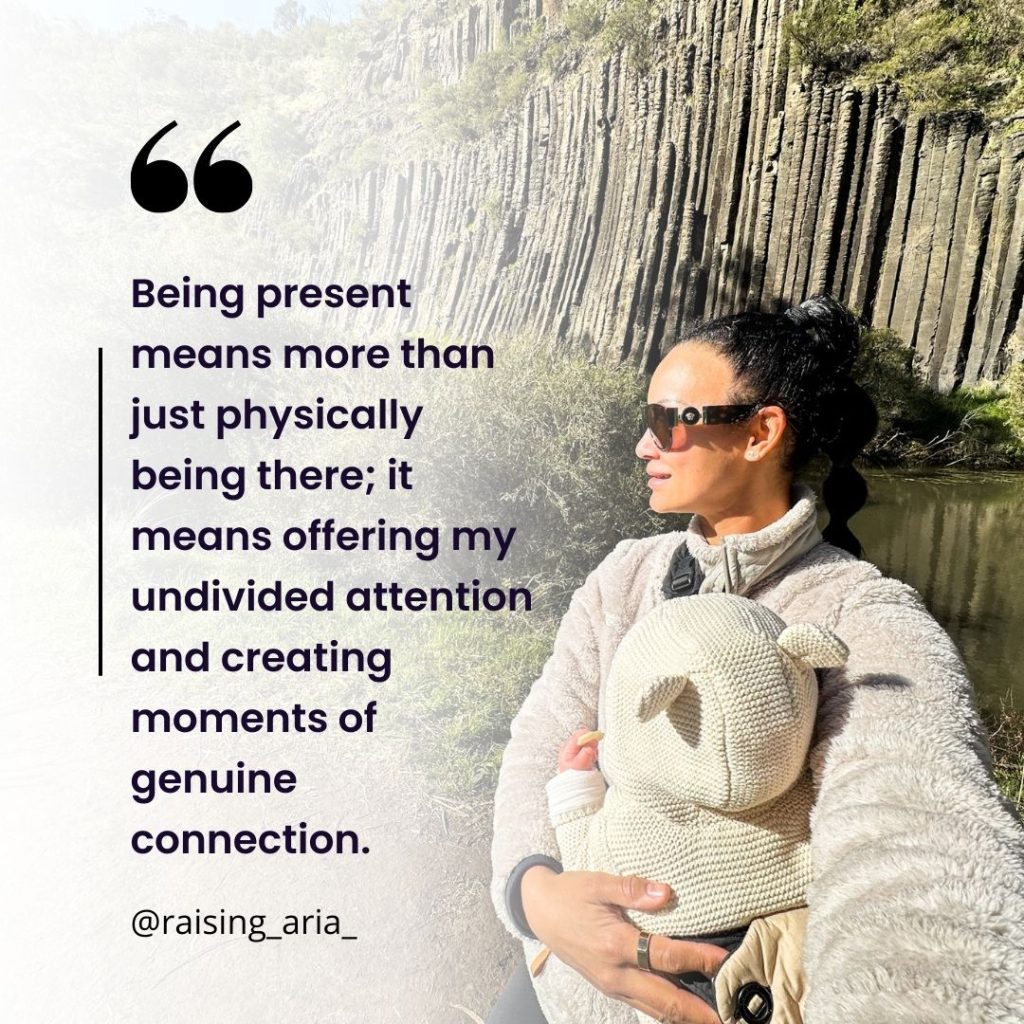
Being present means more than just physically being there; it means offering my undivided attention and creating moments of genuine connection.
Whether it is through engaging in playtime, reading stories, or simply sitting quietly together, the gift of my presence allows my daughter to feel seen, heard, and loved unconditionally, in turn helping form that strong secure attachment.
Emotional Support
The gift of presence extends beyond the joyous moments; it also encompasses being there during times of discomfort, tears, and challenges. By offering a comforting presence, I can help my daughter navigate her emotions and provide a safe space for her to express herself authentically. Through my presence, I can teach her resilience, empathy, and the importance of vulnerability.
Creating Memories

The gift of presence allows me to create lasting memories with my daughter and my family. These moments, whether big or small, form the tapestry of our shared experiences. From the simple joy of a shared giggle to the grand adventures we embark on together, my presence ensures that these memories are etched in both our hearts forever.
Tips To Be Present With Your Family
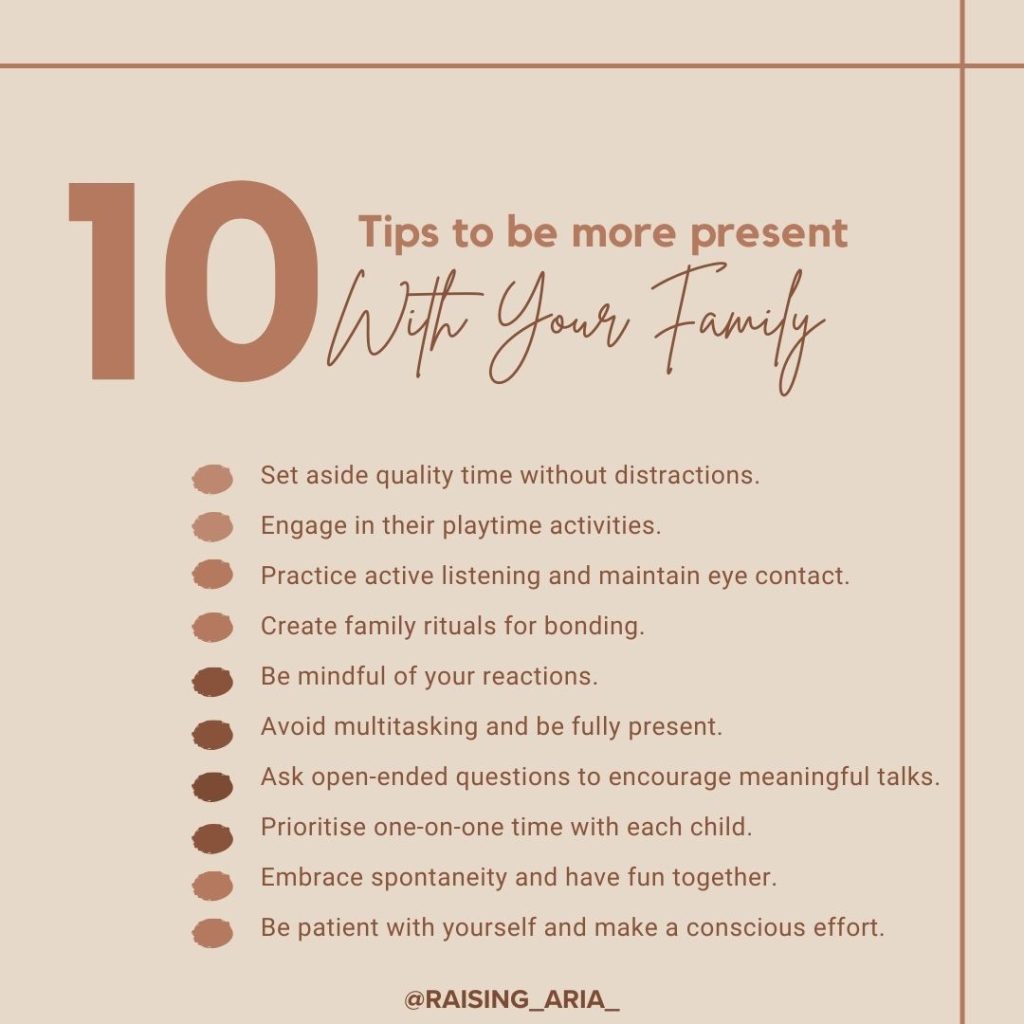
- Set aside quality time without distractions.
- Engage in their playtime activities.
- Practice active listening and maintain eye contact.
- Create family rituals for bonding.
- Be mindful of your reactions during challenging moments.
- Avoid multitasking and be fully present.
- Ask open-ended questions to encourage meaningful conversations.
- Prioritise one-on-one time with each child if you have multiple.
- Embrace spontaneity and have fun together.
- Be patient with yourself and make a conscious effort to be present.
The Power of Secure Attachment
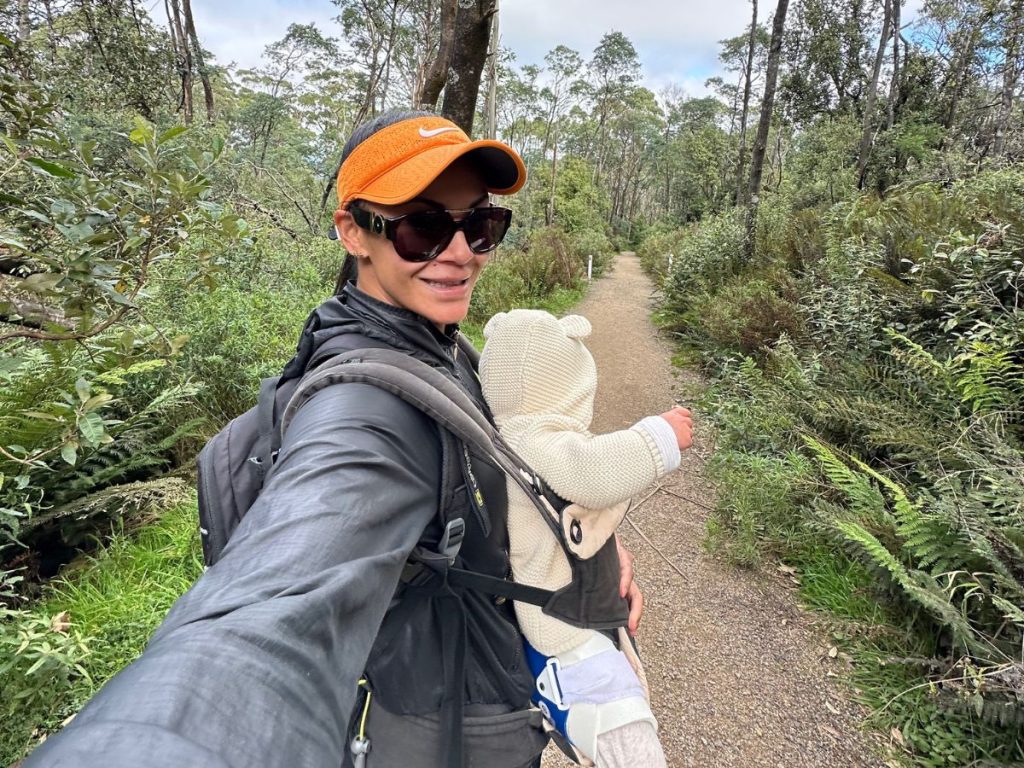
The combination of time and presence leads to the development of a secure attachment between parent and child.
Secure attachment is a type of bonding between infants or children and their primary caregivers that is characterised by trust, emotional safety, and a secure base for exploration and self-expression. It is a fundamental aspect of healthy social and emotional development, and it lays the foundation for the child’s future relationships and overall well-being.
The concept of secure attachment was first introduced by psychologist John Bowlby in the 1950s and further expanded upon by Mary Ainsworth in the 1960s and 1970s through her famous “Strange Situation” experiments. These experiments involved observing children’s reactions to separations and reunions with their caregivers and led to the identification of different attachment styles.
In secure attachment, the child feels confident that their caregiver will be available and responsive to their needs. They develop a sense of trust and a belief that their emotions and expressions will be acknowledged and validated. When the caregiver is present, the child feels safe to explore the world around them. If they encounter distress or discomfort, they seek comfort and reassurance from their caregiver, knowing that they will be comforted and supported.
Emotional Connection and Bonding
Regular quality time and presence create a secure emotional attachment. This connection fosters a sense of trust, love, and emotional support, allowing our children to develop a strong foundation of security and confidence.
Regulation of Emotions
Our presence helps our children regulate their emotions. By being there during their emotional experiences, we provide comfort, understanding, and guidance. Our presence teaches them how to identify and manage their emotions effectively, leading to improved emotional regulation skills.
Social and Interpersonal Skills
Through spending time and being present, we foster our children’s social and interpersonal skills. Interactions during playdates, family outings, and shared experiences help them develop empathy, cooperation, and communication skills, essential for building and maintaining healthy relationships.
Tips To Foster Secure Attachment
- Be responsive and attentive to their needs.
- Offer comfort and reassurance when they are upset.
- Engage in loving and affectionate interactions.
- Be consistent in your caregiving and routines.
- Create a safe and nurturing environment.
- Encourage open and honest communication.
- Spend quality time together regularly.
- Be emotionally available and present.
- Foster trust and reliability in your relationship.
- Respect and validate their feelings and emotions.
Being Seen & Heard
The human need to be seen and heard is fundamental to our emotional well-being and sense of belonging. It arises from our innate desire for connection and validation, as well as the need for our thoughts, feelings, and experiences to be acknowledged and understood by others.
Being seen means having our presence recognised, acknowledged, and accepted for who we truly are, without judgment or criticism. It involves feeling valued, noticed, and appreciated as unique individuals.
When we are seen, it validates our sense of self-worth and fosters a positive self-image. It is for this reason that we decided to really focus on the values of time and presence in our family rituals and upbringing of our little one.
Being heard, on the other hand, goes beyond merely listening to words (or your little one’s coos and cry’s and noises which is their current way of communication). It means having our thoughts, emotions, and ideas genuinely understood and acknowledged by others. It involves active listening and empathy, where our feelings and perspectives are validated and respected. This is still a concept that we are working on our marriage, but one that we are very aware of, and therefore foster in our family rituals.
Being present and spending time with others are powerful ways to fulfil the need to be seen and heard:
- Validation and Understanding: When we are fully present with someone, we actively listen to their words, emotions, and body language. This attentive presence conveys that their thoughts and feelings matter, providing validation and understanding. This fosters a sense of acceptance and creates a safe space for open communication.
- Building Trust: Spending quality time with someone allows us to build trust in the relationship. When we consistently show up and engage in meaningful interactions, it strengthens the belief that we can rely on each other for support, understanding, and emotional connection.
- Strengthening Bonds: Presence and time invested in relationships create a deeper connection. It builds emotional intimacy, promoting a sense of belonging and the knowledge that we are not alone in our experiences and challenges.
- Enhancing Communication: Being present encourages open and honest communication. When we feel that we are genuinely seen and heard, we are more likely to share our thoughts and emotions authentically, leading to more profound and meaningful interactions.
- Promoting Empathy and Compassion: Presence allows us to truly empathise with others’ feelings and perspectives. This compassion fosters a sense of mutual understanding, reducing misunderstandings and conflicts while promoting a supportive and caring environment.
- Encouraging Self-Expression: When others are present and attentive, we feel encouraged to express ourselves freely. It allows us to explore our thoughts and emotions without fear of judgment, leading to personal growth and self-awareness.
- Strengthening Self-Esteem: Being seen and heard validates our sense of self-worth. Positive interactions and the feeling of being genuinely valued contribute to higher self-esteem and self-confidence.
The human need to be seen and heard is essential for our emotional and psychological well-being. Being present and spending time with others play a crucial role in fulfilling this need. By actively listening, validating feelings, and fostering genuine connections, we create an environment of acceptance, understanding, and support, enriching our relationships and nurturing our individual growth.
Conclusion
As parents, we hold the power to help shape our children’s mental and emotional well-being through the gifts of time, presence, and attachment.
By dedicating time to our little one, by being fully present in their lives, and by fostering a secure attachment, we hope to create an environment that nurtures their growth, resilience, and happiness.
I hope you enjoyed reading this and that the tips on “how to be more present with your family” and “how to foster secure attachment” have helped your family grow stronger.



Comments are closed.